
Douglas County Active Warrants
No confirmed official online active warrant search was found in the official Douglas County and DGSO sources reviewed. The Douglas County Sheriff's Office site provides inmate reports, bond amounts, call logs, open-records request access, court docket links, anonymous tip options, and resident communication tools. The reviewed app store descriptions for the Douglas County Sheriff app did not confirm an active warrant lookup feature.
That absence changes the search method. A person trying to check Douglas County warrants should look for case clues in Kansas Case Search, check the DGSO inmate and bond reports, contact the Clerk of the District Court for public case information, and use municipal court contacts when the matter began as a city ordinance or traffic case. The sheriff may also hold law-enforcement records that require a request and may be withheld if disclosure is restricted by law-enforcement exemptions.
The sheriff's public-record request route is the DGSO NextRequest portal.
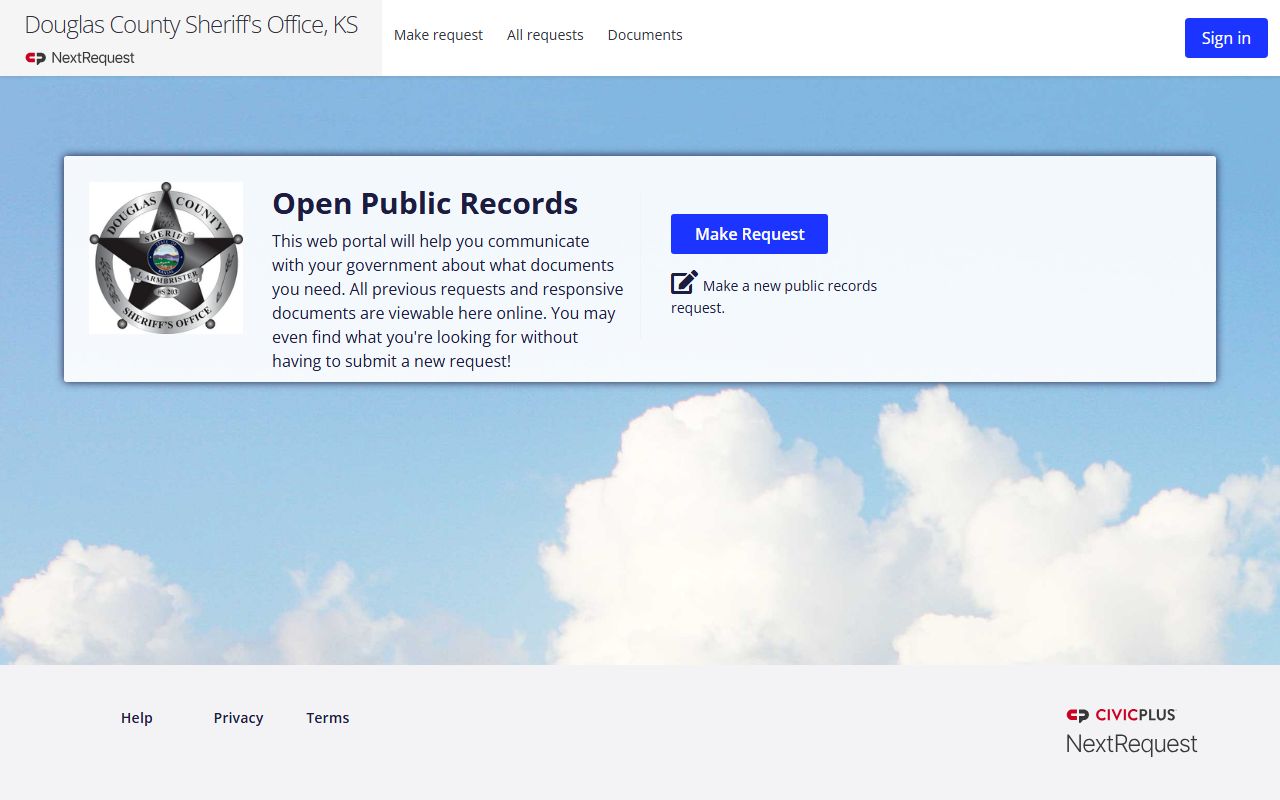
NextRequest is a request channel, not a live warrant database, so it should be used for records that can lawfully be disclosed after staff review.
Types of Douglas County Warrants
Warrant records can come from District Court, municipal court, law enforcement, or a federal agency. The label matters because the office that can verify or clear the warrant depends on the issuing authority. A District Court bench warrant will not be resolved the same way as a Lawrence Municipal Court missed-court warrant or a federal warrant handled outside local court systems.
- Arrest warrant authorizes arrest after a court finds enough basis to act on a charge or probable-cause request.
- Bench warrant is issued by a judge, often for failure to appear, contempt, noncompliance, or a probation or diversion issue.
- Search warrant authorizes a search or seizure, and its affidavit or sworn testimony may need a special disclosure request.
- Probation violation warrant is tied to alleged supervision violations after a case has already reached the supervision stage.
- Municipal warrant is tied to a city ordinance, city traffic, missed-court, fine, diversion, or probation issue in Lawrence, Baldwin City, or Eudora.
Search Douglas County Warrants
The best Douglas County warrant search is a fallback chain rather than one web form. Begin with the case if the court is known. Then check jail and bond reports if the person may have been arrested. For municipal matters, go to the city court. If the warrant record itself is needed, use the correct clerk, sheriff, or municipal records route.
- Search the underlying District Court case in Kansas Case Search by case number, person name, business name, or citation.
- Check the Douglas County District Court docket or Kansas hearing calendar if a missed hearing may have led to a bench warrant.
- Call the Clerk of the District Court at 785-832-5256 for case-specific public court information and copy procedures.
- Call 785-830-1000 or check DGSO inmate and bond reports if the person may already be in custody.
- Use Lawrence, Baldwin City, or Eudora Municipal Court if the missed court date, unpaid fine, or traffic citation is municipal.
- Submit a sheriff records request through DGSO NextRequest when seeking law-enforcement records that are not posted online.
The Douglas County Sheriff iOS app is listed for resident communication, public-safety news, crime reporting, tips, and interactive features.
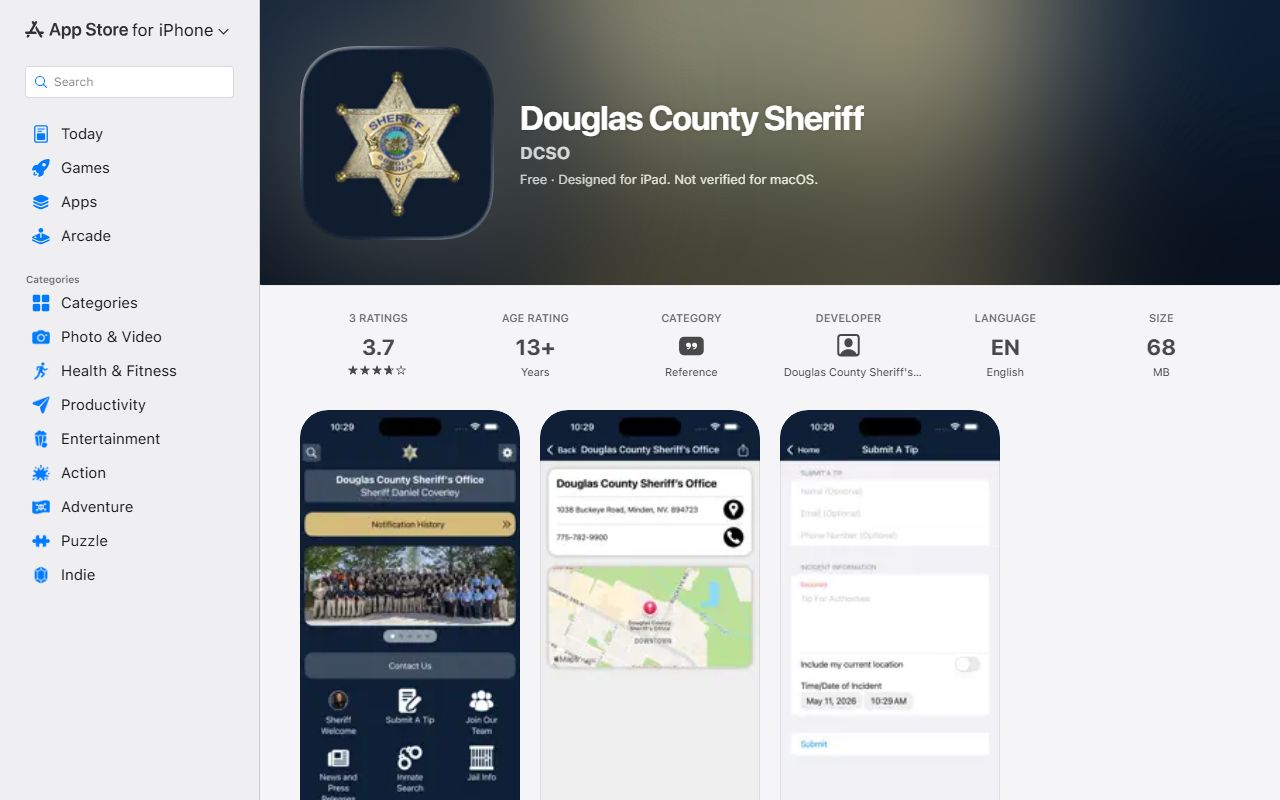
The app listing reviewed did not confirm an active warrant search, so the app should not be treated as the official warrant database.
The Douglas County Sheriff Android app is the parallel Google Play listing.
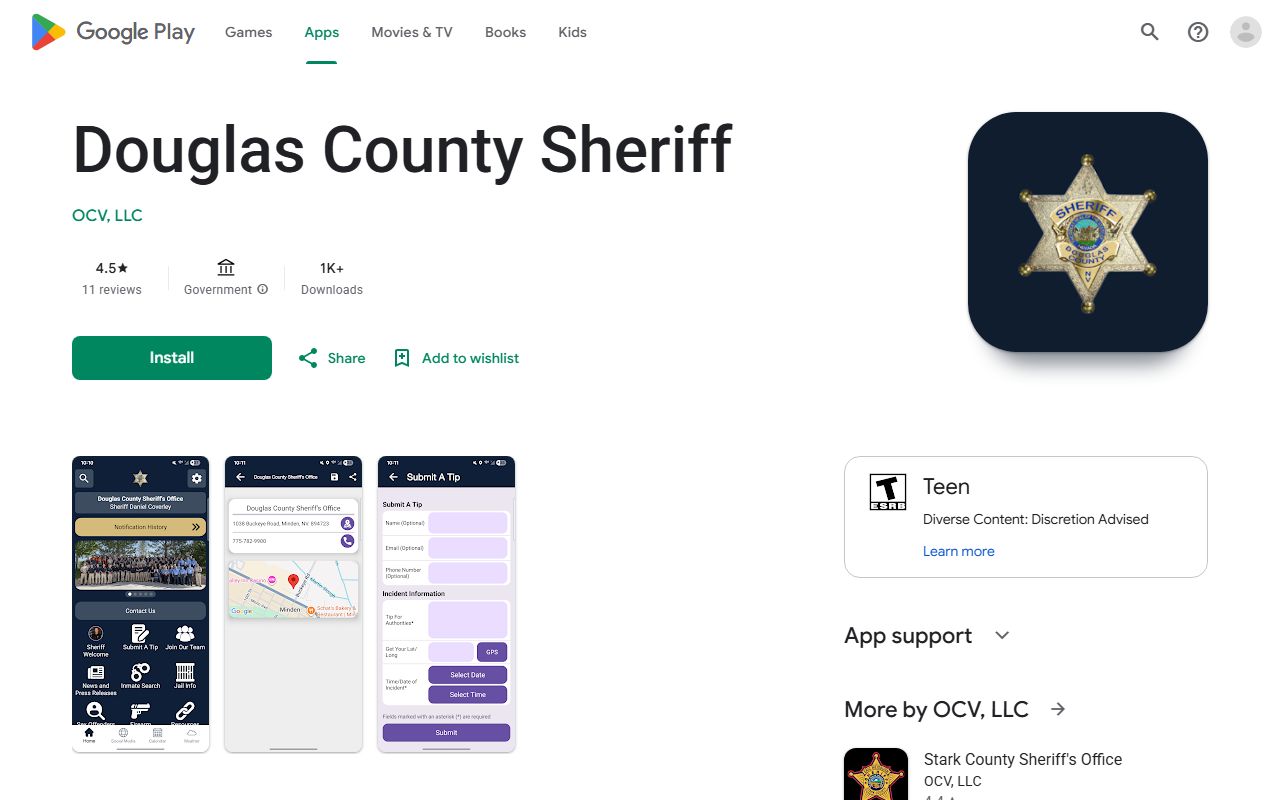
Use the app for confirmed communication and public-safety features, then verify warrant status through the court, jail, or records-request route.
Douglas County Warrant Search Fields
Because no official online active warrant search was confirmed, there is no verified Douglas County active-warrant field table to publish. The practical fields come from the related systems that may reveal warrant clues. Kansas Case Search and the DGSO reports each ask a different question, so users should keep identifying information consistent across systems.
| Channel | Useful Search Field | Required | Notes |
|---|---|---|---|
| Kansas Case Search | Case number | Conditional | Best when the District Court case number is known. |
| Kansas Case Search | Party name or business name | Conditional | Use person or entity names when no case number is known. |
| Kansas Case Search | Citation | Conditional | Helpful for traffic or citation-linked matters if available for the user's role. |
| DGSO inmate reports | Report type | No | Booking Recap, In Custody List, and Bond Amounts are separate reports. |
| Municipal court | Name, citation, or vehicle information | Varies | Eudora's payment/search page supports vehicle information or name. |
Note: A custody or bond hit can indicate warrant-related detention, but it is not a complete active warrant list.
What a Douglas County Warrant Record Shows
The research did not include a sample inspected active warrant record. Expected warrant fields should therefore be treated as a field inventory, not a promise that every Douglas County source displays every item. Court records and sheriff reports may expose different parts of the same warrant history.
| Field | What It Shows |
|---|---|
| Name | The person tied to the warrant, case, custody report, or bond report. |
| Case number | The District Court or municipal case connected to the warrant. |
| Issuing court | Whether the warrant came from District Court, Lawrence Municipal Court, Baldwin City, Eudora, or another authority. |
| Charge or violation | The underlying offense, missed appearance, contempt issue, probation issue, or city ordinance matter. |
| Bond amount or type | May appear in the DGSO bond report or a court docket entry. |
| Status | Active, served, recalled, quashed, cleared, or not publicly stated. |
| Court date | May appear in a docket, hearing calendar, or case entry. |
Municipal Bench Warrants
Municipal warrants are a common source of confusion because the Douglas County District Court is not the only court path. The county District Court page states that Lawrence, Baldwin City, and Eudora maintain separate municipal courts. A Lawrence city ordinance or city traffic matter should be checked with Lawrence Municipal Court, while Baldwin City and Eudora matters should be checked through those city court resources.
Lawrence Municipal Court's missed-court FAQ gives unusually clear instructions. A person who missed court must come to Municipal Court at 8:00 a.m. on any weekday and be added to the docket. If a warrant has issued, the prosecutor will not speak with the person before the person sees the judge. Lawrence also publishes traffic arraignment times, criminal arraignment information, payment resources, and court FAQ material.
Baldwin City publishes municipal court information, including monthly court-session details and separate office/payment information. Eudora's municipal payment/search page lists search by vehicle information or name. Those details matter because paying a municipal ticket can have plea or license consequences, and resolving a warrant normally requires the correct court, not just the sheriff.
Search Warrant Affidavits
A search warrant is different from an arrest or bench warrant. It authorizes a search or seizure, and the affidavit or sworn testimony supporting it may not be available through a normal case search. Douglas County's court-record materials include a route for a request for disclosure of an affidavit or sworn testimony. That is a strong cue that search warrant affidavits may require a special request and court review.
If the search warrant is tied to an ongoing investigation, disclosure may be delayed or denied under law-enforcement, court-sealing, or confidentiality rules. Juvenile matters, protected victims, confidential informants, sealed investigative material, and records covered by K.S.A. 45-221 may also limit access. The Clerk of the District Court is the starting point for court-file material; DGSO is the route for sheriff-held law-enforcement records.
Resolve an Outstanding Warrant
Do not rely on a stale online clue when trying to resolve a Douglas County warrant. Identify the issuing court first. A District Court warrant should be checked through the court case and clerk. A municipal warrant should be checked with the relevant city court. A custody or bond issue should be checked with DGSO and the jail line. If a lawyer is involved, counsel should contact the court before the person appears.
- Confirm the court: Douglas County District Court, Lawrence Municipal Court, Baldwin City Municipal Court, Eudora Municipal Court, or another agency.
- Ask whether bond, a new court date, a walk-in docket, or a judge appearance is required.
- Bring case numbers, citation numbers, government identification, and proof of payment or compliance if available.
- Appear as directed and get a written docket entry, receipt, order, or other proof showing recall, quash, clearance, or new setting.
Important: A warrant can lead to arrest. Legal advice should come from a lawyer, not a third-party search result.
Federal Warrant and Custody Clues
Federal warrants and federal custody are separate from Douglas County District Court records. The U.S. Marshals Service District of Kansas handles federal warrant-related and prisoner-transport functions, while federal criminal cases use the U.S. District Court for the District of Kansas and PACER. A person in federal custody after sentencing may appear in the Bureau of Prisons system rather than DGSO, KDOC KASPER, Kansas VINE, or Kansas Case Search.
The Federal Bureau of Prisons inmate locator is a federal custody tool, not a Douglas County warrant search.
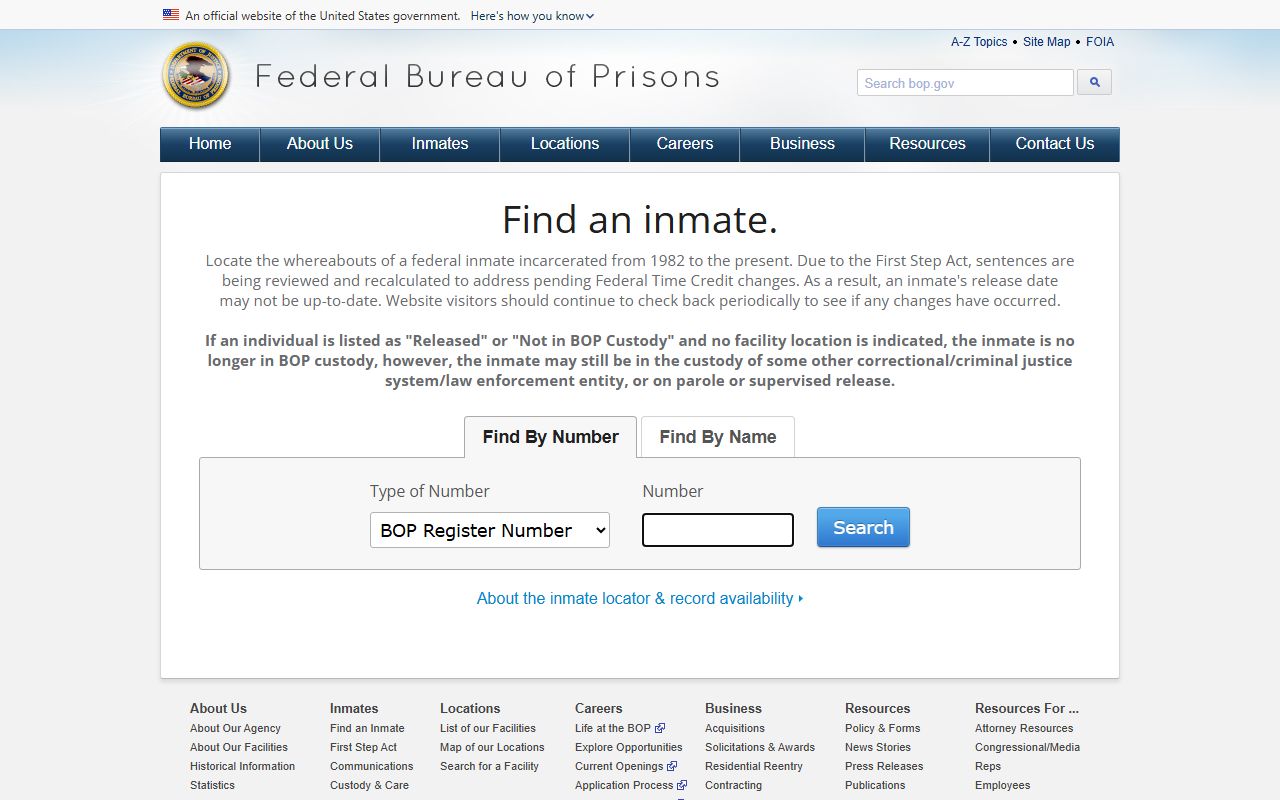
Use the federal locator only when the question is federal custody after sentencing or transfer, not a local bench warrant.
Restricted Douglas County Warrant Records
Some warrant records are not public or are only partly public. Juvenile official files are controlled by K.S.A. 38-2309. Sealed cases, expunged cases, active investigations, protected addresses, victim information, mental-health matters, and affidavits tied to ongoing searches may be withheld or redacted. Kansas public-record law also allows certain records to be closed, and court orders can narrow access further.
The safer reading rule is simple: a public docket clue can suggest a warrant history, but it may not reveal whether a warrant is still active. Verification should come from the court, clerk, sheriff, municipal court, or attorney handling the matter.